OUR SERVICES
RODENT CONTROL
THE MODINITY PEST CONTROL SERVICES
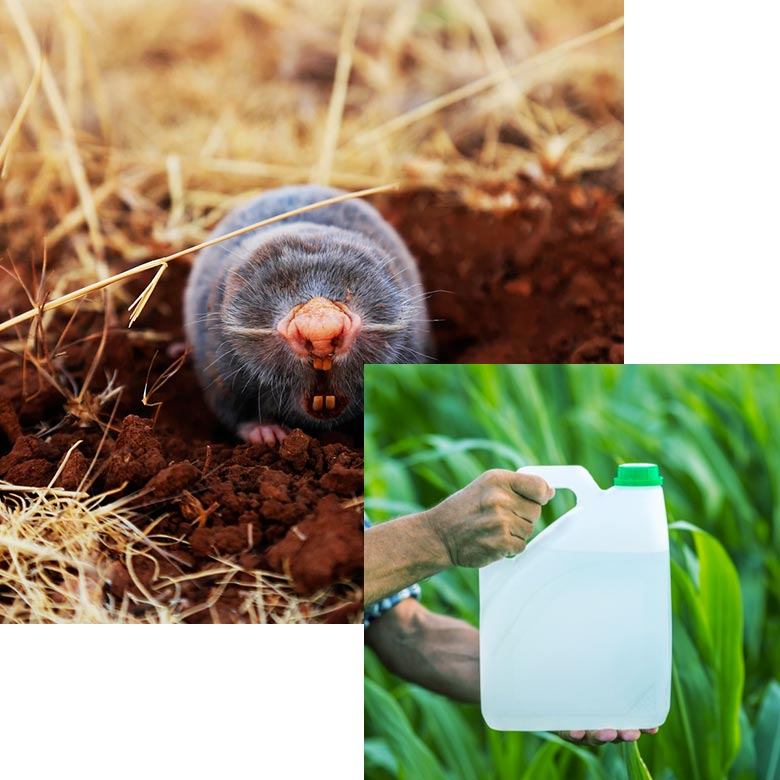
What are Rodent?
Rodents are one for the largest groups of mammals. They are important components of virtually all of the earth's terrestrial ecosystems and are important herbivores that aerate the soil by burrowing activities and assist plant propagation by consuming and disseminating seeds. They are often the most important food base for many predatory mammals and birds, acting to sustain populations of these species. However, rodents also are important vectors or reservoirs of numerous diseases that infect humans, domestic animals, and other wildlife species. They are significant economic pests that devastate crops, gardens, orchards, or landscape plantings, and damage commercial forest plantations or impede reforestation efforts.
Rodents burrow through dams and irrigation structures, gnaw through communications cables and damage electronics, and consume or contaminate stored food and other commodities. Therefore, they have become important concerns in the management and recovery of threatened or endangered species, particularly in island environments.
What is Rodent Control
Rodent control describes the processes that people use to alleviate rodent damage, to prevent the spread of rodent-borne diseases, to reduce problem rodent populations, or to eliminate rodent infestations.
There are different types of Rodents stated below:
Grain Crops
Rat damage to ripening rice crops can be an extremely serious agricultural problem, although economic losses are often difficult to estimate because of complex patterns of growth and recovery of plants related to the developmental stage when damage. Rats can completely consume fields of growing rice and sometimes prevent planting where crops could otherwise be.
Sugarcane
Rodents cause extensive damage to ripening sugarcane wherever it is grown. Rats gnaw on the internodes of growing stalks, thereby killing stalks, diminishing yields, or allowing infection by bacteria or fungus, which reduces cane quality and sugar yield. Losses are difficult to quantify but can be substantial.
Orchard and Plantation Crops
Voles cause extensive damage in fruit. The damage interferes with transport of nutrients between the roots and aerial portions of the tree and increases the chance of infection by root pathogens. This kills trees, reduces fruit production, and increases the time for new plantings to come into production.
Stored Products
Rodent consumption of stored food and grain and damage to storage structures and containers, and indirect losses caused by spillage, spoilage, or contamination that results in condemnation or rejection of shipments. This damages the economy as well as public health worldwide.
Forest Crops and Reforestation
Foraging by rodents can be a major impediment to reforestation efforts around the world. Direct predation on seeds by deer mice and house mice can preclude or reduce the success of direct seeding efforts. Clipping and girdling of the roots and stems of young seedlings by a wide variety of rodents is a major source of tree mortality.
Urban Rodent Problems
In most of the world's cities and towns, one or more of the cosmopolitan rodents live with people in homes, business establishments, markets, yards, and sewers. A variety of other species occur in parts of their ranges as commensal rodents in urban areas, notably. In close association with people in dense settlements, rodents cause a variety of problems, including loss and contamination of foodstuffs, destruction of property and rat bites.