OUR SERVICES
What can we do
for you?
The Modinity Pest Control Services
Integrated Pest Management (IPM)
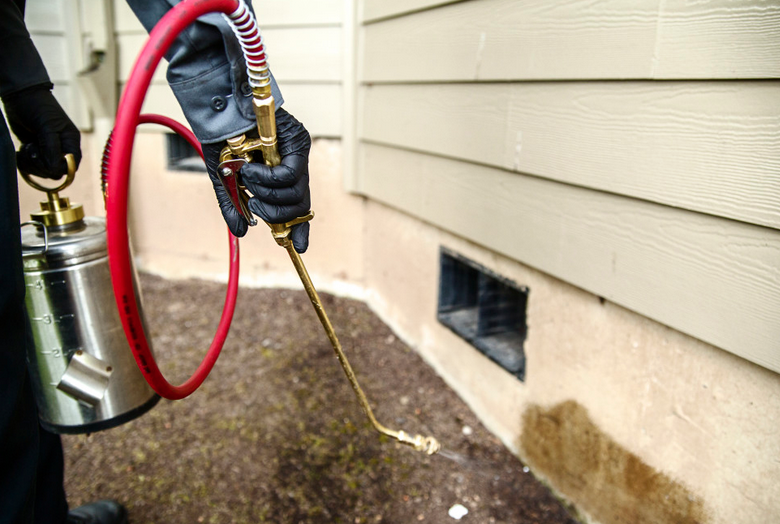
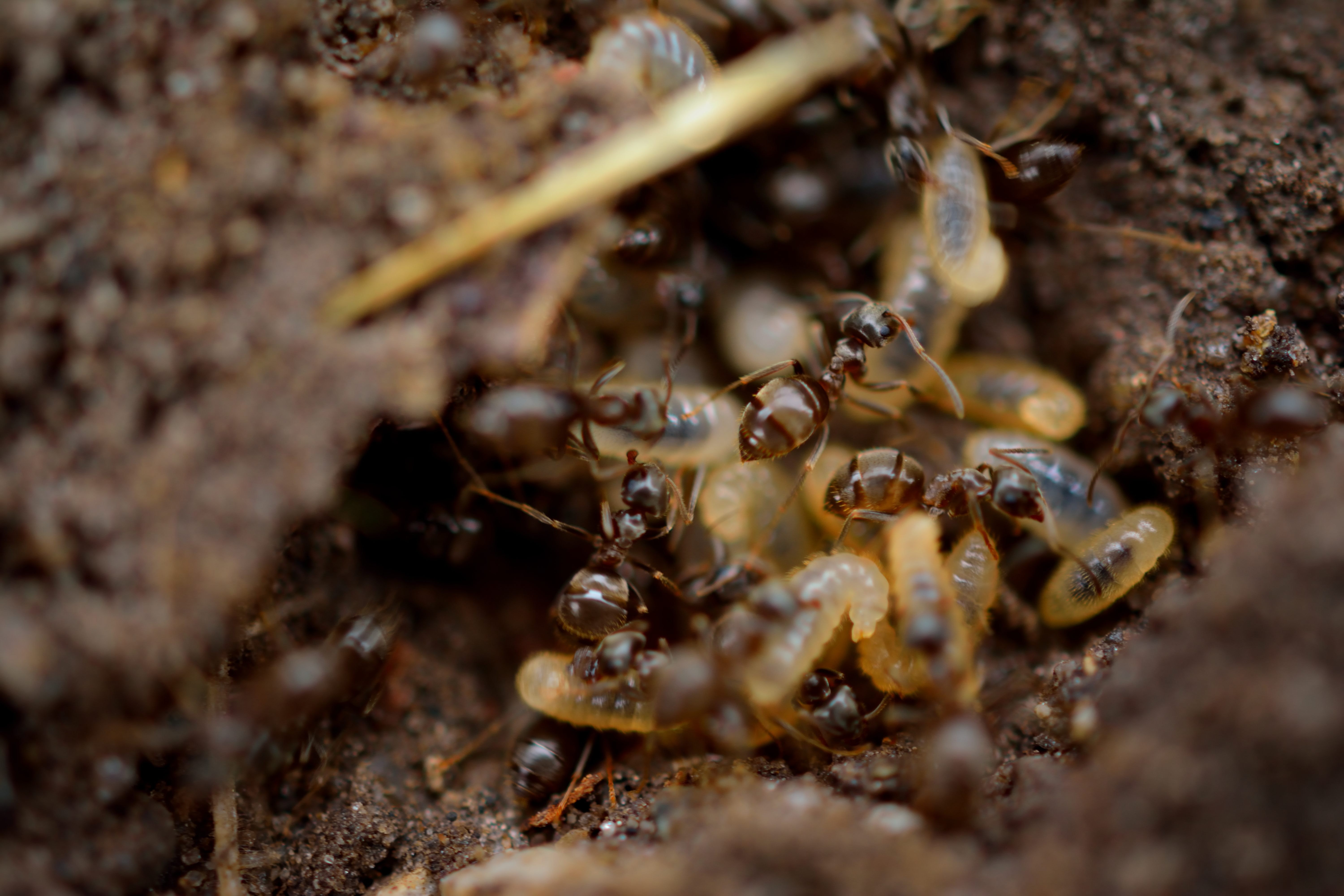
IPM is a decision-based process compromising multiple strategies for augmenting the pest control. This involves controlling pests from all classes based on the predicted ecological, sociological and economic consequences. The first and foremost precautionary measure is to opt naturally occurring control processes i.e. weather, parasites, predators, etc.
Fumigation
Fumigation is one of the pest management processes that is used in stored products in order to eliminate the pests. This can also be referred to IPM for a commodity like stored fruit/grain. We offer a comprehensive planning for the application of control method which includes exclusion and inspection of pests, housekeeping & sanitation, physical, mechanical control.
ULV Fogging
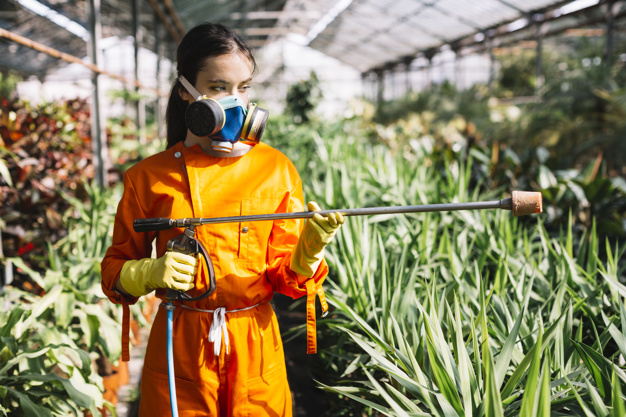
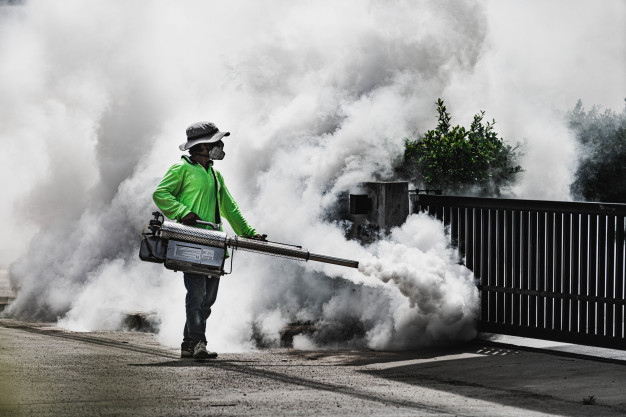
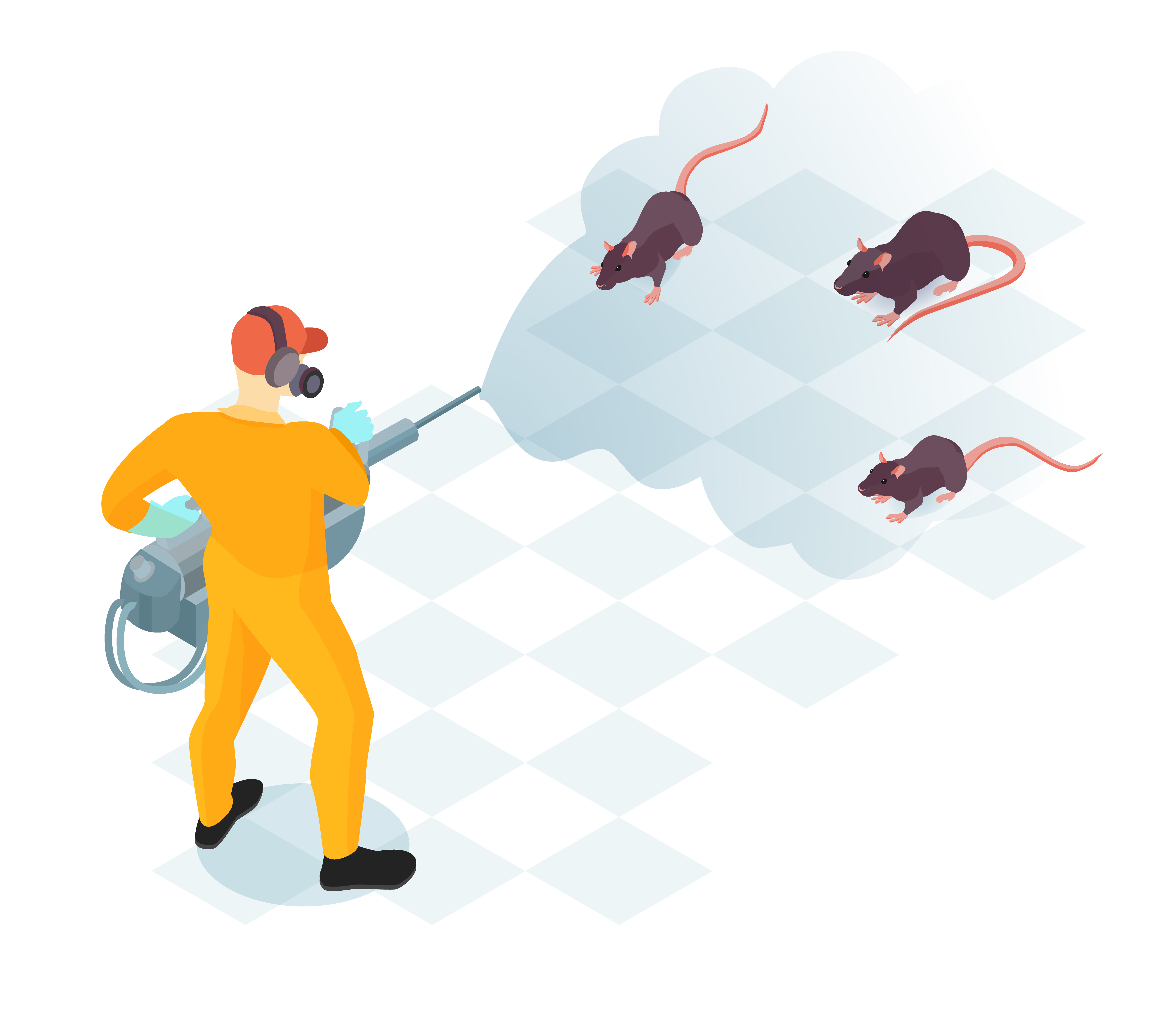
ULV fogging equipment is used predominately for the application of disinfectants, biocides, fungicides and pesticides. Our ULV fogging machines generate a fog or mist formed of Ultra Low Volume (ULV) droplets between 5-50 microns (μm) in diameter. Studies have shown that droplets of this size are ideal to tackle pathogens, vector carriers and pests.
Bed-Bugs Treatment
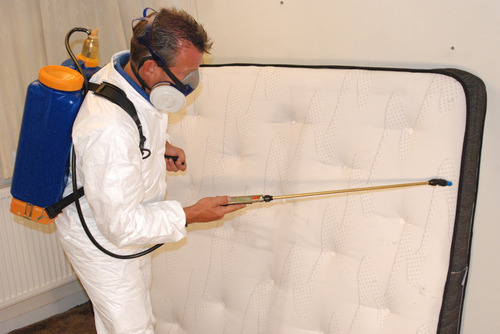
The two main species of bed bugs are Cimex lectularius and Cimex hemipterus, which are found in tropical zones and temperate areas, respectively. They are brown, wingless, flat, 2-5 mm long insects that resemble apple seeds. After contamination by a few bed bugs, their number increases exponentially. They can survive for one year without eating.
Dengue Control
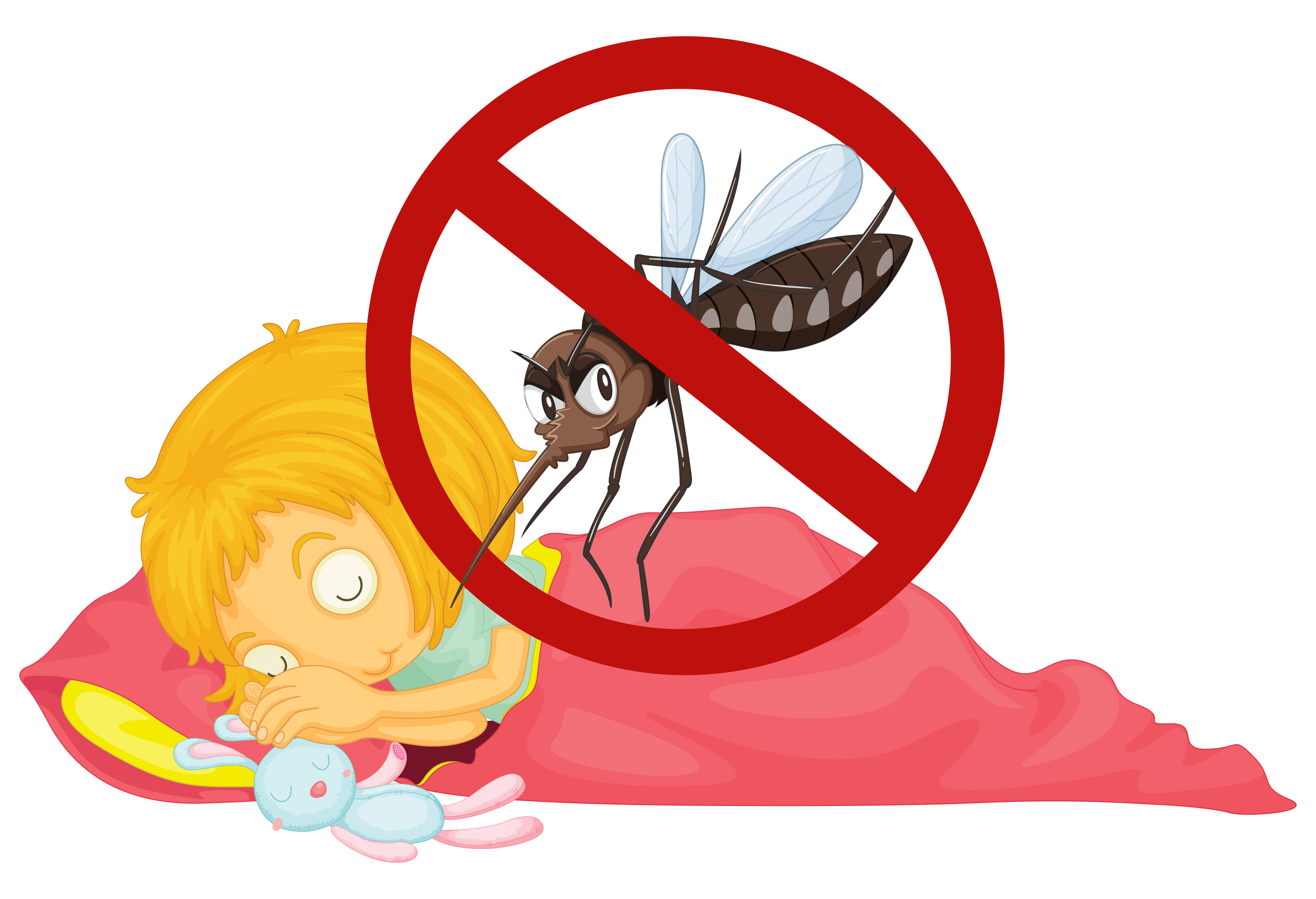
Mosquito control programs are known as integrated mosquito management (IMM) or integrated vector management (IVM). IMM uses a combination of methods to prevent and control mosquitoes that spread viruses, like dengue, zika. IMM uses methods to control mosquitoes based on an understanding of mosquito biology, the mosquito life cycle, and the way mosquitoes spread viruses to develop plans for controlling mosquitoes.
Water Tank Cleaning
It is necessary to clean and disinfect your water holding tank(s) at least once a year or more often, if required. This is to remove algae (plant growth which produces bad tastes and odors), silt, and bacteria which may be harmful. Cleaning tanks can be done manually and automatically.